
The Deliverability Trifecta: Authentication, Reputation, and Engagement Signals Explained
%201.png)
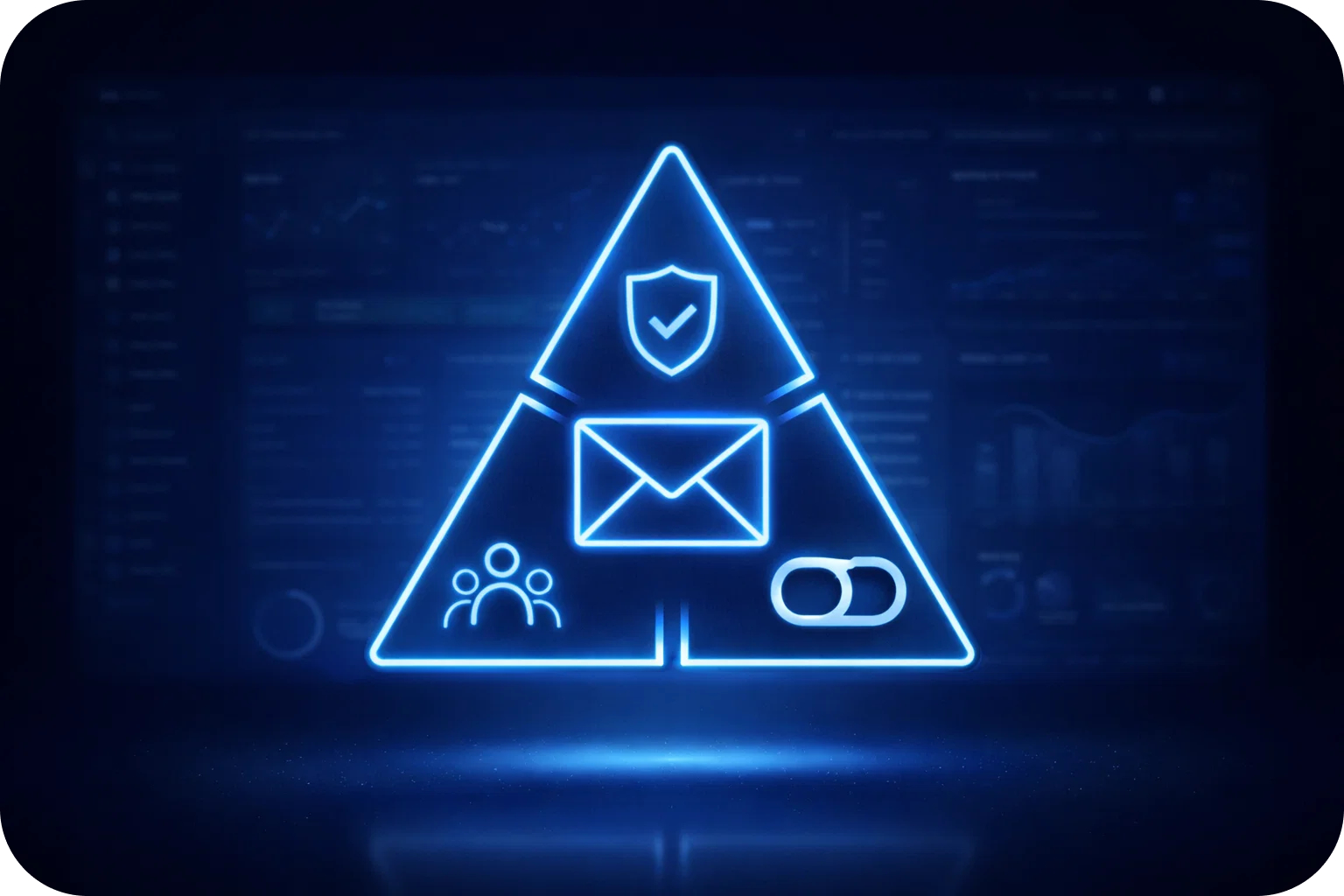
In the world of cold outreach and high-volume email campaigns, getting your message into the inbox is everything. For startups and sales teams, email deliverability isn’t just a technical metric, it’s the difference between missed revenue and closed deals. Yet, many teams underestimate the complexity behind deliverability. It’s not just about pressing “send”, it’s about mastering the deliverability trifecta: authentication, sender reputation, and engagement signals. When these three pillars work together, your emails land in the inbox, not the spam folder, driving results fast.
This guide breaks down each component of the trifecta, explains how they interact, and gives you actionable strategies to boost your inbox placement. Whether you’re scaling outbound sales or launching a new SaaS, understanding these fundamentals is your shortcut to email success.
1. Email Authentication: The Foundation of Trust
What is Email Authentication?
Email authentication is the process of verifying that an email message comes from a legitimate sender. It’s how mailbox providers (like Gmail and Outlook) distinguish between real messages and spoofed or malicious emails. Without proper authentication, your emails are more likely to be flagged as spam or blocked entirely.
Key Protocols Explained
- SPF (Sender Policy Framework): Let's domain owners specify which mail servers are allowed to send on their behalf. If an email comes from an unauthorized server, it’s more likely to be rejected.
- DKIM (DomainKeys Identified Mail): Adds a digital signature to your emails, allowing the recipient’s server to verify that the message wasn’t tampered with during transit.
- DMARC (Domain-based Message Authentication, Reporting, and Conformance): Builds on SPF and DKIM, telling mailbox providers what to do if authentication fails (e.g., quarantine or reject the message). DMARC also enables detailed reporting.
- BIMI (Brand Indicators for Message Identification): Allows brands to display their logo in the inbox, but only if authentication is properly set up.
Why Authentication Matters
Mailbox providers use authentication as a trust signal. A properly authenticated email is less likely to be spoofed, so providers give it preferential treatment. Without authentication, you’re invisible or worse, you’re a target for spam filters.
Best Practices for Startups and Sales Teams
- Set up SPF, DKIM, and DMARC for every sending domain.
- Regularly monitor DMARC reports to catch unauthorized sending.
- Use subdomains for different teams (e.g., sales.yourcompany.com) to isolate risk.
- Keep DNS records up to date when switching providers or adding new tools.
2. Sender Reputation: Your Email Credit Score
What is Sender Reputation?
Sender reputation is like a credit score for your email domain and sending IP. Mailbox providers track your history and assign a reputation score based on how recipients interact with your messages. A strong reputation means more emails in the inbox; a weak one means more emails in spam.
Key Factors That Influence Reputation
- IP Reputation: The history of the IP address you’re sending from. Shared IPs inherit the behavior of all users, while dedicated IPs reflect only your activity.
- Domain Reputation: Tracks your sending practices across all IPs and tools. Switching IPs doesn’t erase a bad domain reputation.
- Complaint Rate: The percentage of recipients marking your emails as spam. High complaint rates quickly tank your reputation.
- Blacklist Status: If your IP or domain appears on industry blacklists, your emails will be blocked or filtered.
- Bounce Rate: High rates of undeliverable emails signal poor list hygiene.
How to Monitor and Improve Sender Reputation
- Use tools like Google Postmaster Tools or Microsoft SNDS to monitor reputation.
- Keep complaint rates below 0.1%.
- Remove hard bounces and inactive addresses regularly.
- Warm up new domains and IPs gradually, don’t blast thousands of emails on day one.
- Consider dedicated IPs if you send large volumes and want full control.
Common Mistakes to Avoid
- Buying or scraping email lists, these lead to high bounces and complaints.
- Ignoring feedback loops and DMARC reports.
- Sending from a new domain without proper warm-up.
3. Engagement Signals: The Hidden Influence
What Are Engagement Signals?
Engagement signals are the actions recipients take (or don’t take) with your emails. Mailbox providers track these signals to determine if your emails are wanted. High engagement means your emails are valuable; low engagement suggests spam.
Types of Engagement Signals
- Opens: How often recipients open your emails.
- Clicks: The number of times links are clicked.
- Replies: Positive replies boost reputation; negative replies ("unsubscribe" or "stop") can hurt.
- Bounces: Soft and hard bounces both matter, too many are a red flag.
- Unsubscribes: Natural, but spikes can indicate irrelevant content.
- Spam Reports: The ultimate negative signal.
How Providers Use Engagement
Mailbox providers use engagement data to shape future inbox placement. If recipients consistently open, click, and reply, your future emails are more likely to land in the inbox. If most ignore or delete your messages or mark them as spam, your deliverability drops.
Practical Steps to Boost Engagement
- Segment your lists and personalize content.
- Use compelling subject lines and preview text.
- Make it easy to reply (open-ended questions, clear CTAs).
- Clean your lists: remove unengaged recipients every 30–60 days.
- Test send times and content formats for your audience.
4. The Synergy: How the Trifecta Works Together
No single pillar of the deliverability trifecta guarantees success. Authentication, reputation, and engagement are interconnected. Here’s how:
- Authentication earns you a seat at the table, without it, you’re not even considered.
- Reputation determines if you’re a trusted guest or a troublemaker.
- Engagement is the ongoing conversation; if you’re boring or annoying, you’ll stop getting invited.
A well-authenticated sender with a poor reputation will still struggle. A reputable sender with low engagement will see declining results. The magic happens when all three work together.
5. Quick Wins and Long-Term Strategies
Immediate Actions
- Audit your domain for SPF, DKIM, and DMARC.
- Review your sender reputation with Google Postmaster Tools.
- Segment your list and remove obvious bounces or unengaged contacts.
- Personalize your next campaign, no more generic blasts.
Ongoing Best Practices
- Schedule regular list hygiene.
- Monitor DMARC and feedback loop reports.
- Test and optimize subject lines, content, and send times.
- Invest in education, stay current with deliverability trends, and mailbox provider updates.
Conclusion
Deliverability isn’t a mystery; it’s a formula. By mastering authentication, sender reputation, and engagement signals, your emails will consistently reach the inbox and drive the results your startup or sales team needs. Don’t leave deliverability to chance: build your foundation, nurture your reputation, and engage your audience.
Ready to see how top-performing teams achieve 98% deliverability and scale outreach 100x? Book a demo with Mailpool and let our experts show you how to unlock the full potential of your cold email strategy.
More articles



Get started now


