
Why Enterprises Are Switching to Multi-Provider Email Setups

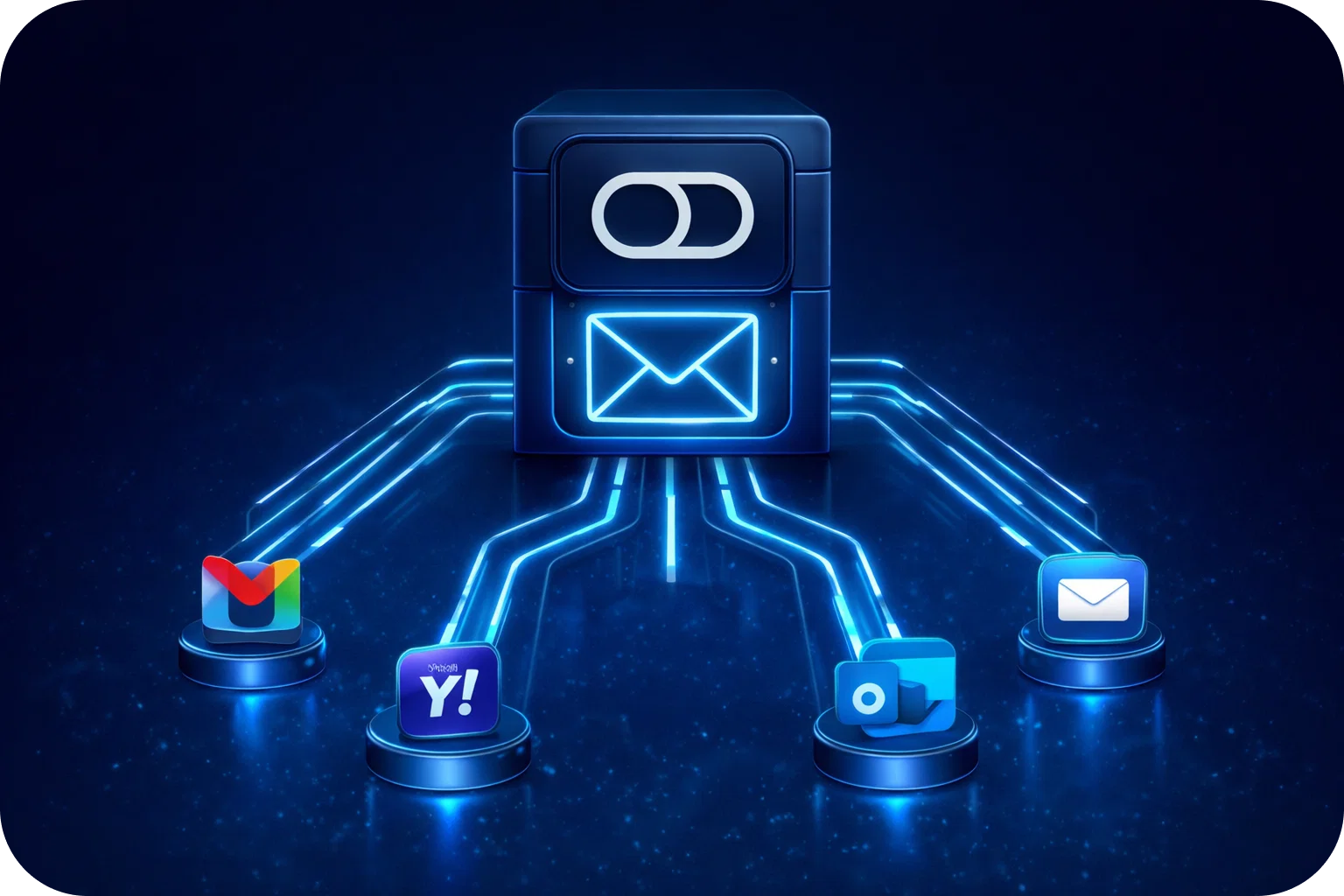
In today’s competitive digital landscape, cold email remains a powerful tool for enterprise sales and outreach. Yet, as businesses scale their campaigns, they often encounter challenges like deliverability issues, sender reputation risks, and technical barriers that limit growth. To overcome these hurdles, a growing number of enterprises are adopting multi-provider email setups leveraging multiple email service providers and domains to maximize deliverability, reduce risk, and scale outreach efficiently.
This article explores why multi-provider email infrastructure is becoming the standard for forward-thinking organizations, how it works, and best practices for implementation.
The Changing Landscape of Cold Email Outreach
Cold email isn’t what it used to be. Modern spam filters, evolving privacy regulations, and increased competition mean that simply sending more emails is no longer enough. Enterprises need to ensure their messages reach the inbox, not the spam folder, while protecting their sender reputation and complying with legal standards.
Traditional single-provider setups often fall short:
- Deliverability can suffer if one domain or provider is flagged.
- Scaling outreach increases the risk of blacklisting.
- Technical limitations can bottleneck growth.
Enter the multi-provider approach, a strategic shift that empowers enterprises to scale cold email outreach safely and effectively.
What is a Multi-Provider Email Setup?
A multi-provider email setup involves using multiple email service providers (ESPs)—such as Google Workspace, Microsoft 365, and dedicated/shared IP mailboxes—across different domains for outbound campaigns. Instead of relying on a single provider, enterprises distribute their email sending across several platforms and domains, creating a more resilient and scalable email infrastructure.
This approach allows organizations to:
- Diversify sending sources
- Reduce dependency on any single provider
- Manage higher sending volumes
- Isolate risks and issues to specific domains or inboxes
Key Benefits for Enterprises
Improved Deliverability
By spreading outbound emails across multiple providers and domains, enterprises can avoid hitting provider-specific sending limits and reduce the risk of emails being flagged as spam. This diversification boosts overall inbox placement rates. Mailpool.ai users, for example, report 96–98% inbox placement across Gmail, Outlook, and Yahoo by leveraging multi-provider setups.
Risk Reduction
A single point of failure can jeopardize an entire campaign. Multi-provider setups mitigate this risk: if one domain or provider is blacklisted or experiences technical issues, others remain unaffected. This isolation helps maintain consistent outreach and protects business continuity.
Scaling Outreach
Enterprises looking to scale cold email outreach face limitations with single-provider setups, such as daily sending caps and throttling. Multi-provider infrastructure removes these barriers, allowing organizations to ramp up campaign volume, sometimes 100x, without sacrificing deliverability or sender reputation.
Protecting Sender Reputation
Sender reputation is critical for ongoing deliverability. By rotating domains and providers, enterprises can protect core sending domains from being burned, maintain high reputation scores, and ensure long-term outreach success.
How to Implement a Multi-Provider Setup (Best Practices & How-To)
- Choose Your Providers: Select a mix of ESPs (Google Workspace, Microsoft 365, shared/dedicated IPs) based on budget, volume, and integration needs.
- Segment Campaigns: Assign specific domains and inboxes to different outreach campaigns or teams to isolate risk and optimize results.
- Automate Deliverability Setup: Use platforms like Mailpool.ai to automate inbox and domain creation, DNS setup, and ongoing deliverability monitoring.
- Monitor Performance: Track deliverability, open rates, and reputation metrics across all providers to identify and resolve issues early.
- Warm Up New Inboxes: Gradually increase sending volume on new inboxes (recommended: 20 emails per inbox per day, scaling up over 3–4 weeks).
- Maintain Compliance: Ensure all sending domains and campaigns comply with GDPR, CCPA, and other relevant regulations.
Following these steps will help enterprises build a robust, scalable, and compliant cold email infrastructure.
Common Pitfalls & How to Avoid Them
1. Neglecting Warm-Up:
Jumping straight into high-volume sending with new inboxes can trigger spam filters and damage sender reputation. Always warm up new inboxes gradually, start with 2 emails per day and scale up over several weeks.
2. Inconsistent DNS & Authentication:
Failing to properly configure DNS records (SPF, DKIM, DMARC) for each provider and domain can hurt deliverability. Use automated tools or platforms like Mailpool.ai to streamline setup and monitoring.
3. Poor Monitoring:
Without ongoing deliverability and reputation monitoring, issues can go unnoticed. Regularly track key metrics and set up alerts for sudden drops in open or reply rates.
4. Overcomplicating Infrastructure:
Adding too many providers or domains without a clear strategy can create unnecessary complexity. Start with a manageable setup and scale as needed, ensuring each component serves a clear purpose.
5. Ignoring Compliance:
Overlooking regional regulations (GDPR, CCPA) or opt-out requirements can lead to legal trouble. Always ensure your outreach is compliant and respects recipient preferences.
Avoiding these pitfalls will help you build a sustainable, high-performing email outreach engine.
Final Thoughts
The future of enterprise cold email outreach is multi-provider. As spam filters grow smarter and competition intensifies, organizations that invest in resilient, scalable, and compliant email infrastructure will stand out. Multi-provider setups are not just a technical upgrade. They’re a strategic advantage for sales teams and startups aiming to maximize deliverability, minimize risk, and accelerate growth.
By following best practices, carefully selecting providers, segmenting campaigns, automating setup, and monitoring performance, your team can unlock higher inbox placement rates and sustainable outreach at scale.
Ready to future-proof your cold email strategy? Discover how Mailpool.ai can help you implement a robust multi-provider email setup in minutes. Book a demo with our team and see how you can:
- Automate inbox and domain creation
- Scale outbound campaigns 100x
- Achieve 98% deliverability
- Protect your sender reputation
More articles



Get started now


