
Why Email List Segmentation Is a Game-Changer for Deliverability
%201.png)
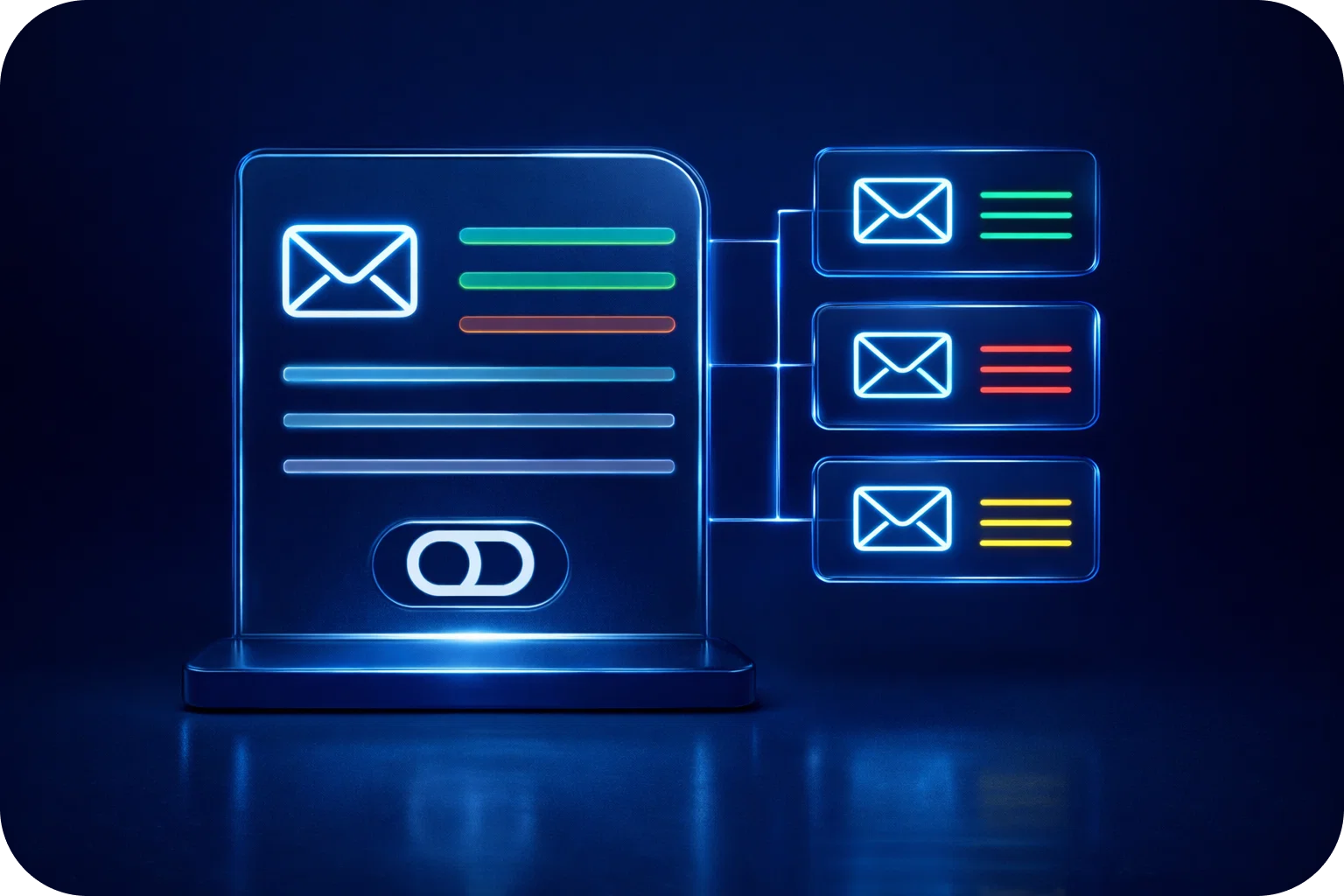
In today’s crowded digital marketplace, cold email remains one of the most powerful ways for startups and sales teams to reach new prospects, book meetings, and drive growth. But as inboxes fill up and spam filters get smarter, simply hitting “send” isn’t enough. Deliverability, the ability of your emails to actually land in the intended inbox, not the spam folder, has become the critical battleground for modern sales outreach.
Yet, despite its importance, many teams overlook one of the most effective levers for deliverability: email list segmentation. At its core, segmentation means dividing your master lead list into smaller, targeted groups based on shared characteristics or behaviors. This isn’t just about being organized; it’s about sending the right message to the right person at the right time. When done well, segmentation can dramatically increase open rates, boost engagement, and protect your sender reputation, all while reducing the risk of being flagged as spam.
This guide will break down why segmentation is a game-changer for deliverability, explore actionable strategies for cold outreach, and share best practices to help you get started. Whether you’re new to email prospecting or looking to optimize your current approach, mastering segmentation will put you ahead of the competition and maximize every campaign’s impact.
Understanding Email List Segmentation
What Is Email List Segmentation?
Email list segmentation is the process of dividing your broader email list into smaller, more targeted segments based on specific criteria. Instead of sending the same generic message to everyone, you tailor your outreach to each group’s unique needs, interests, or behaviors. This approach allows you to deliver more relevant content, create a personalized experience for each recipient, and ultimately drive better results.
Common Segmentation Criteria
There are countless ways to segment a lead list, but some of the most effective categories include:
- Demographics: Industry, company size, job title, location, or revenue.
- Behavioral data: Previous engagement with your emails, website visits, content downloads, or webinar attendance.
- Firmographics: Company type, technology stack, funding stage, or business model.
- Engagement level: Active vs. inactive leads, frequency of response, or recent activity.
- Source or acquisition channel: How the lead was acquired (e.g., inbound vs. outbound, LinkedIn, event, referral).
Why Segmentation Matters for Cold Outreach
Cold outreach is inherently challenging, recipients don’t know you, and their attention spans are short. Segmentation ensures your emails are highly relevant to each prospect, increasing the chances of a positive response. It also enables you to:
- Personalize subject lines and body content at scale.
- Avoid sending irrelevant offers or information.
- Prioritize high-value prospects for follow-up.
- Identify and nurture leads at different stages of the buying journey.
Ultimately, segmentation is about treating your prospects as individuals, not just entries in a database. This respect for their time and needs is the foundation of successful deliverability and long-term customer relationships.
How Segmentation Impacts Deliverability
Deliverability isn’t just a technical metric; it’s the difference between your message being read by a potential customer or vanishing into the spam abyss. Email list segmentation directly influences deliverability in several crucial ways:
Higher Engagement Rates
Email service providers (ESPs) like Gmail and Outlook use engagement signals, opens, clicks, and replies to determine whether your messages are wanted or should be filtered out. When you segment your list and send highly relevant content to each group, you naturally boost engagement. Prospects are more likely to open an email that speaks directly to their industry, role, or pain points.
Lower Spam Complaints
One of the fastest ways to harm your sender reputation is to trigger spam complaints. If recipients feel your emails are irrelevant or intrusive, they’re more likely to mark them as spam. Segmentation helps prevent this by ensuring that each message is tailored to the recipient’s interests and needs.
Improved Sender Reputation
Your sender reputation is like your credit score with ESPs, it determines whether your emails are accepted, flagged, or blocked. Consistently high engagement and low complaint rates, both of which are driven by effective segmentation, signal to ESPs that you’re a reputable sender.
Over time, this reputation pays off in several ways:
- Higher inbox placement: Your emails are more likely to reach the primary inbox rather than the promotions or spam folders.
- Fewer delivery blocks: ESPs are less likely to throttle or block your messages.
- Greater scalability: As your reputation improves, you can safely increase sending volume without risking deliverability.
Segmentation Strategies for Cold Email Outreach
Segmentation isn’t just for large marketing teams or advanced CRM setups, it’s a practical, high-impact tactic that any startup or sales team can implement. Here’s how to put segmentation to work in your cold outreach campaigns:
Building and Managing Segmented Lead Lists
Start by organizing your leads into logical groups based on the criteria most relevant to your business goals. For cold outreach, some of the most effective segments include:
- Industry or vertical: Tailor messaging to address industry-specific challenges or regulations.
- Job role or department: Speak directly to the decision-makers, influencers, or end-users.
- Company size or revenue: Adjust your value proposition for startups versus enterprise clients.
- Geographic location: Account for regional differences, time zones, or local regulations.
- Engagement history: Separate new prospects from those who’ve already interacted with your brand.
Personalization at Scale
Segmentation is the foundation for true personalization. With well-defined segments, you can:
- Customize subject lines: Reference the prospect’s industry, role, or pain point (“How SaaS Sales Teams Can Double Response Rates”).
- Tailor body copy: Highlight specific benefits or case studies relevant to each segment.
- Adjust calls to action: Invite enterprise clients to book a demo, while offering startups a free trial or resource.
Personalization doesn’t mean rewriting every email by hand. Use templates with dynamic fields (like {FirstName}, {Industry}, {PainPoint}) to automate personalization for each segment, saving time while increasing relevance.
Best Practices for Segmenting Your Email List
Getting segmentation right is both an art and a science. The following best practices will help you maximize the impact of your segmented campaigns while maintaining clean, actionable data.
1. Prioritize Data Collection and Hygiene
Accurate segmentation starts with reliable data. Make it a habit to:
- Collect relevant information at every touchpoint: Use web forms, lead magnets, and LinkedIn research to gather industry, job title, company size, and other segmentation data.
- Enrich your data: Supplement basic lead info with third-party data providers or LinkedIn scraping tools to fill in missing gaps.
- Regularly clean your lists: Remove duplicates, correct errors, and get rid of invalid or outdated email addresses. Clean data reduces bounce rates and protects your sender reputation.
2. Regularly Update and Refine Segments
Businesses and people change, so should your segments.
- Schedule regular audits: Review your lead segments monthly or quarterly to ensure accuracy.
- Update segments based on engagement: Move leads between segments as their behavior changes (e.g., from “cold” to “engaged” after a reply or click).
- React to feedback: If you notice high unsubscribe or spam rates in a segment, re-evaluate your targeting and messaging.
3. Test and Optimize Your Segmentation
Segmentation isn’t a set-it-and-forget-it task. Continually test and optimize:
- A/B test different segment criteria: For example, compare results from industry-based segments versus job role-based segments.
- Experiment with messaging: Try different subject lines, email lengths, and calls to action for each segment to see what resonates.
- Monitor metrics: Track open rates, reply rates, click-throughs, and spam complaints by segment to identify what’s working and what needs improvement.
4. Keep Segments Actionable
A common pitfall is creating too many micro-segments that are difficult to manage or too small to justify personalized outreach. Aim for segments that are:
- Large enough for efficient outreach
- Specific enough for meaningful personalization.
If a segment only contains a handful of leads, consider merging it with another group or using a broader criterion.
5. Document Your Segmentation Logic
As your team grows, ensure everyone understands your segmentation strategy:
- Create a segmentation playbook: Document segment definitions, data sources, and messaging guidelines.
- Train your team: Make sure sales reps and marketers know how to use and update segments.
Clear documentation ensures consistency and makes it easier to onboard new team members or scale your outreach efforts.
Common Mistakes to Avoid
Even with the best intentions, it’s easy to stumble into pitfalls that can undermine your segmentation efforts. Here are some of the most frequent mistakes and how to sidestep them:
1. Over-Segmenting Your List
While it’s tempting to create hyper-specific segments for every possible scenario, over-segmentation can backfire. Too many small segments can:
- Make campaign management complex and time-consuming
- Lead to inconsistent messaging
- Result in segments too small to justify personalization
2. Neglecting Inactive Leads
It’s easy to focus all your attention on hot or engaged prospects, but ignoring inactive leads can hurt your overall deliverability. Large numbers of unopened emails or dead addresses signal to email providers that your messages aren’t wanted.
3. Using Outdated or Inaccurate Data
Segmentation is only as good as the data behind it. Outdated job titles, incorrect industries, or invalid email addresses can lead to irrelevant messaging and higher bounce rates.
4. Ignoring Compliance and Privacy Regulations
Segmenting your list often means collecting and storing personal data. Failing to comply with regulations like GDPR or CCPA can result in legal trouble and damage your reputation.
5. Sending the Same Content to All Segments
The whole point of segmentation is to deliver tailored, relevant content. If every segment receives the same generic message, you lose the benefits of personalization and risk higher spam complaints.
Conclusion
Email list segmentation isn’t just a best practice; it’s a game-changer for cold email outreach and deliverability. By dividing your lead list into targeted, relevant groups, you not only boost engagement and open rates but also protect your sender reputation, reduce spam complaints, and maximize the ROI of every campaign.
Startups and sales teams that invest in smart segmentation see measurable improvements: higher reply rates, more meetings booked, and consistent inbox placement. The process doesn’t have to be complicated. Begin with a few simple segments, keep your data clean, and refine your approach as you learn what works for your audience.
Remember, the goal of segmentation is to treat every prospect like a person, not just a data point. When you send the right message to the right person at the right time, you build trust, spark conversations, and drive real business outcomes.
Ready to take your email outreach to the next level? Book a demo with Mailpool and discover how easy effective segmentation can be.
More articles



Get started now


