
What Top-Performing Agencies Do Differently with Cold Email Infrastructure
%201.png)
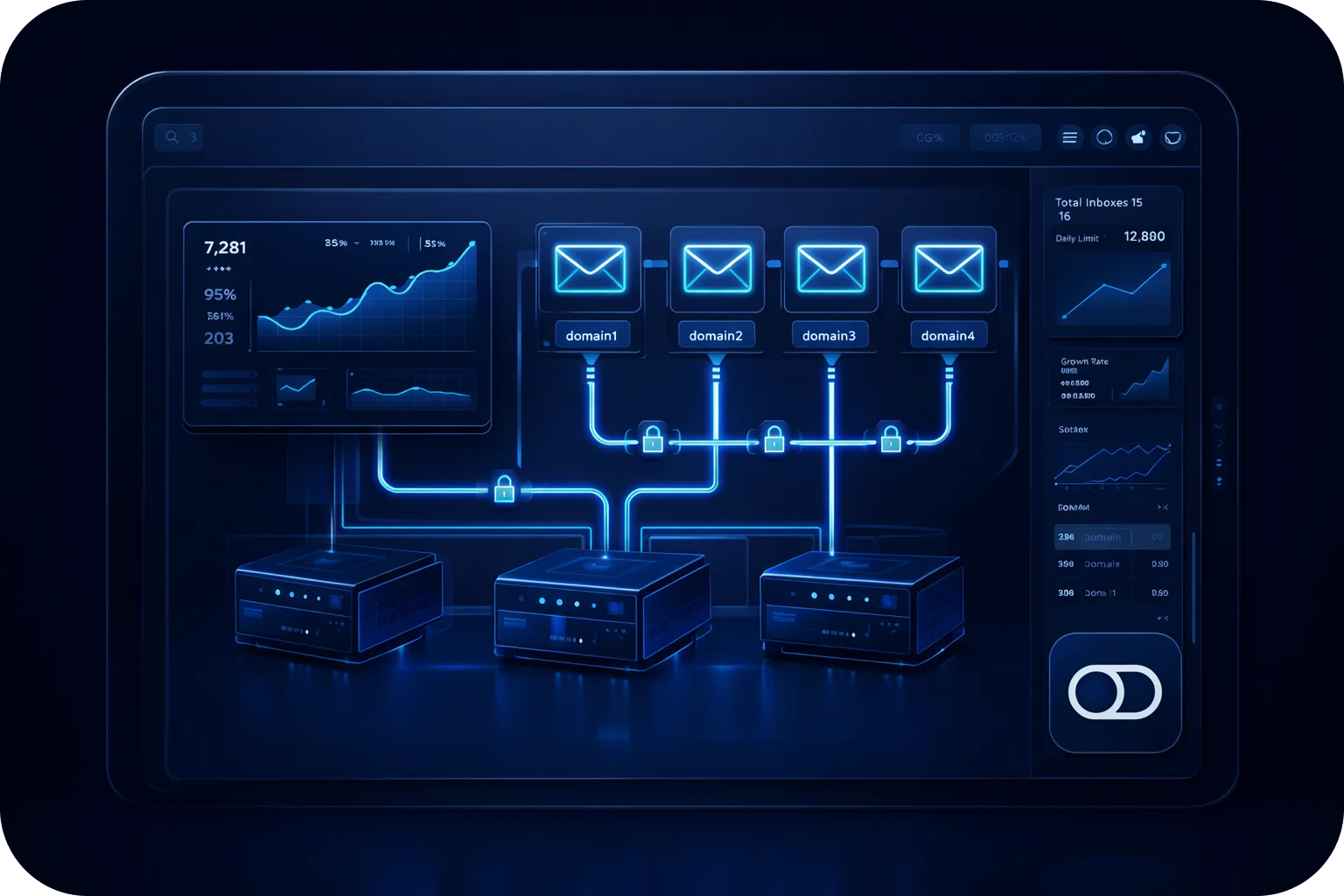
In today’s competitive landscape, cold email remains a powerful tool for lead generation, especially for startups and sales teams aiming to break through the noise. Yet, the difference between mediocre and exceptional results often comes down to what happens behind the scenes: the infrastructure supporting your campaigns. Top-performing agencies know that success hinges not just on messaging, but on the technical systems that ensure emails reach the inbox reliably and at scale.
This article explores the infrastructure strategies that set leading agencies apart, from domains and DNS to IP management and deliverability systems, so you can build a foundation for cold email success.
What Is Cold Email Infrastructure?
Cold email infrastructure refers to the technical backbone that enables large-scale, compliant, and effective email outreach. It includes:
- Domains: The web addresses to which your emails are sent.
- DNS Configuration: Technical records that authenticate your emails (SPF, DKIM, DMARC).
- IP Addresses: The digital “home” from which your emails are delivered.
- Inbox Setup: The organization and management of sending accounts.
- Deliverability Systems: Tools and processes that monitor and maximize inbox placement.
Basic setups might get your emails out the door, but advanced infrastructure is what drives consistent results and scalability.
How Top Agencies Approach Infrastructure
High-performing agencies treat infrastructure as a strategic investment, not an afterthought. They:
- Plan for scale from day one
- Prioritize security and compliance (GDPR, SOC2, etc.)
- Use tools that automate and monitor deliverability
- Regularly update processes as email providers evolve
Domains: The Foundation of Deliverability
Top agencies use a mix of primary and secondary domains to protect brand reputation and maximize reach. Best practices include:
- Domain Segmentation: Using separate domains for different campaigns or clients
- Reputation Management: Regularly monitoring sender scores and blacklists
- Domain Warm-Up: Gradually increasing sending volume to build trust with ISPs
DNS Configuration: The Hidden Key
Proper DNS setup is critical for authentication and deliverability. Agencies ensure:
- SPF (Sender Policy Framework): Confirms emails are sent from authorized servers
- DKIM (DomainKeys Identified Mail): Signs emails to verify legitimacy
- DMARC: Sets policies for handling unauthenticated emails
- Continuous monitoring for errors or misconfigurations
IP Management: Shared vs. Dedicated
Choosing the right IP setup impacts deliverability and scale. Agencies consider:
- Shared IPs: Cost-effective for smaller volumes or early-stage campaigns
- Dedicated IPs: Provide greater control and reputation, ideal for high-volume senders
- IP Warming: Slowly ramping up sending to establish trust
- IP Rotation: Distributing sends across multiple IPs to avoid throttling
Inbox Setup & Management
Agencies don’t rely on a single inbox, they:
- Use multiple inboxes per domain to spread volume and risk
- Monitor inbox health (placement, spam rates, bounces)
- Regularly clean lists and retire underperforming inboxes
Deliverability Systems & Tools
Top agencies leverage deliverability platforms that:
- Automate inbox placement checks
- Integrate with outreach tools (e.g., Instantly, Lemlist, Smartlead)
- Provide real-time alerts for issues
- Offer analytics for ongoing optimization
Scaling Outreach Without Compromising Quality
To move from 1,000 to 50,000+ emails/month, agencies:
- Maintain strict sending limits per inbox (e.g., 20–100/day)
- Add new domains and inboxes as volume grows
- Monitor deliverability metrics daily
- Balance scale with personalization to avoid spam filters
Measuring Success: Metrics That Matter
Performance-driven agencies track:
- Open Rates: Indicator of inbox placement and subject line quality
- Reply Rates: Measure of engagement and targeting
- Inbox Placement Rates: % of emails landing in the main inbox
- Bounce/Complaint Rates: Early warning for technical or reputation issues
They use these insights to refine both infrastructure and outreach strategy.
Common Pitfalls and How to Avoid Them
Even top agencies can stumble. Common mistakes include:
- Ignoring DNS or IP misconfigurations
- Overloading a single domain or inbox
- Neglecting compliance (GDPR, CCPA, etc.)
- Failing to monitor blacklists or sender reputation
Proactive monitoring and regular audits help avoid these issues.
Conclusion
The agencies that lead in cold email don’t just write better copy, they build better systems. By investing in robust infrastructure, maintaining strict deliverability standards, and scaling thoughtfully, they ensure their messages reach the right inboxes every time.
For startups and sales teams, adopting these best practices can make the difference between being ignored and driving real results. Start with your infrastructure, and watch your outreach performance transform.
More articles



Get started now


