
What B2B Buyers Really Think About Cold Email
%201.png)
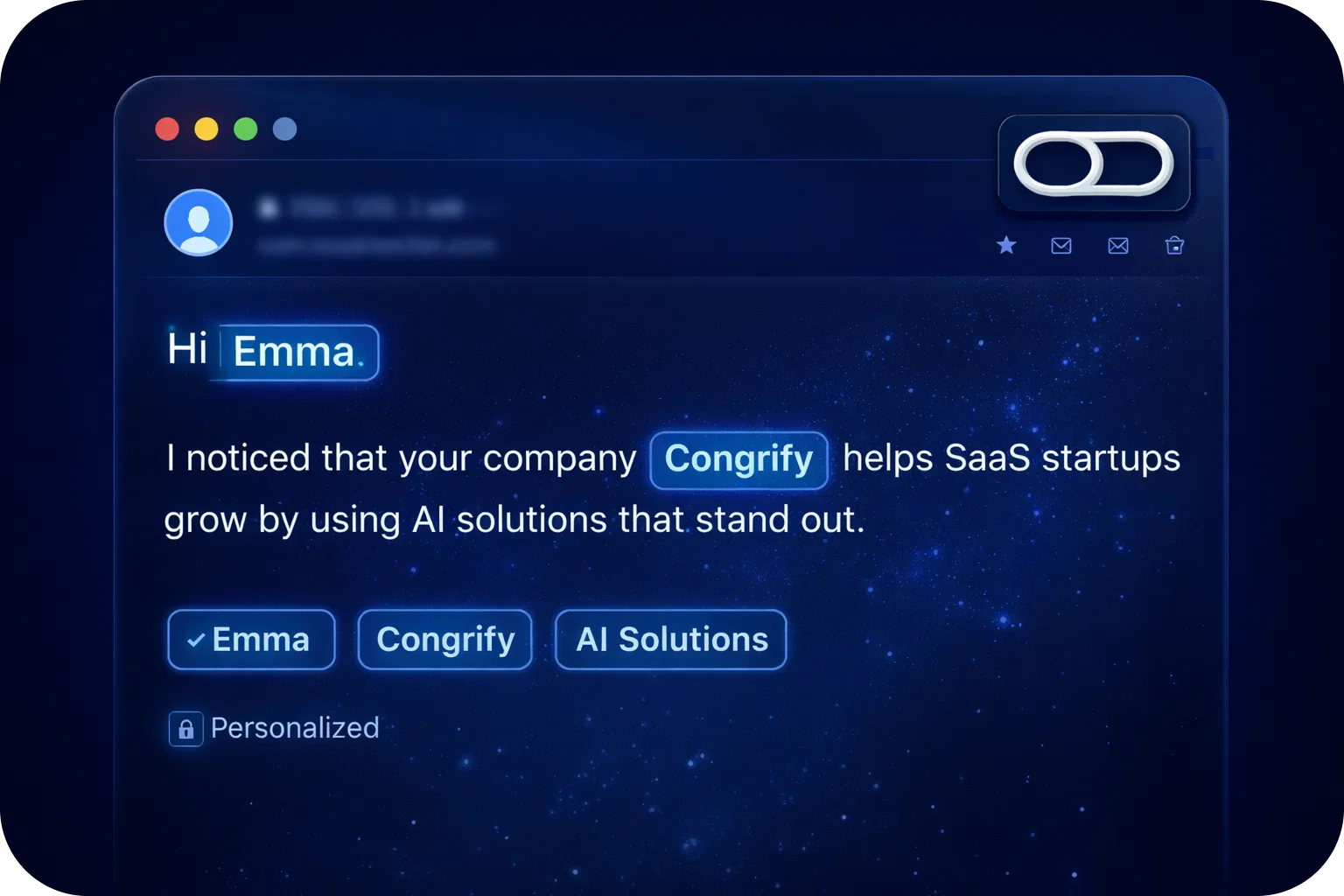
Cold email is still one of the most powerful tools in the B2B sales playbook. But while it’s easy to send, it’s even easier to get wrong. Every day, decision-makers across industries are bombarded with generic, irrelevant, or even misleading emails, fueling skepticism and making it harder for genuine outreach to break through.
Yet, when done right, cold email works. The key? Understanding what B2B buyers actually want and what drives them to reply, ignore, or hit “spam.” In this comprehensive guide, we’ll share what B2B buyers really think about cold email, debunk common myths, and offer actionable best practices to help you earn replies, build trust, and drive sales. Whether you’re a startup founder or a sales leader at a scaling company, these insights will help you stand out and book more demos.
The Modern B2B Buyer: Who Are They?
Today’s B2B buyers are more informed, connected, and selective than ever before. They’re not just gatekeepers; they’re strategic partners looking for real solutions to complex problems.
Key Characteristics:
- Often part of multi-person buying committees
- Highly time-constrained, with overflowing inboxes
- Expect digital-savvy, personalized communication
- Value transparency, efficiency, and expertise
What They Want from Sales Outreach:
- Relevance to their business and role
- Clear, concise communication
- Proof of credibility and results
- Respect for their time and intelligence
Pain Points:
- Irrelevant or mass-blast emails
- Overly aggressive sales tactics
- Lack of understanding of their business context
Common Misconceptions About Cold Email
Let’s clear up some myths that hurt both sellers and buyers:
Myth 1: “All cold emails are spam.”
- Reality: B2B buyers are open to cold outreach—if it’s relevant, respectful, and valuable. Irrelevant, generic pitches are what earn the “spam” label.
Myth 2: “More volume means more results.”
- Reality: Today’s buyers ignore generic blasts. Quality and personalization win over quantity.
Myth 3: “Buyers never respond to cold email.”
- Reality: They do—when the message addresses a real need, shows understanding, and offers clear value.
Myth 4: “Personalization is just about using the first name.”
- Reality: True personalization means referencing the recipient’s company, recent news, challenges, or goals—showing you’ve done your homework.
What B2B Buyers Expect from Cold Email
1. Personalization and Relevance
Buyers want to feel like you’re reaching out to them, not just anyone. That means:
- Referencing their company, role, or recent initiatives
- Mentioning industry trends or pain points specific to their business
- Connecting your solution to a challenge they actually face
2. Respect for Their Time
Long intros and vague value propositions are a turn-off. Instead:
- Get to the point in the first two sentences
- Avoid lengthy backstories or generic “hope you’re well” openers
- Use bullet points for clarity and scannability
3. Transparency and Credibility
Buyers are wary of vague promises. Build trust by:
- Stating clearly who you are and why you’re reaching out
- Including social proof: customer logos, brief case studies, or testimonials
- Linking to your company website or a relevant resource
4. Value-Driven Content
Don’t just sell, educate. Share:
- Insights or data relevant to their industry
- A quick tip or resource (e.g., a guide, checklist, or benchmark report)
- A next step that’s easy and low-commitment, like a short demo
Anatomy of a Strategic Cold Email
Let’s break down a cold email that resonates with B2B buyers:
Subject Line:
- Short, specific, and curiosity-driven
- Avoids spammy words (“free,” “guaranteed,” all caps)
- Example: “Quick idea for [Company]’s outbound strategy”
Opening Line:
- References something unique to the recipient (e.g., “Saw your recent product launch…”)
- Shows empathy for their challenges (“Noticed your team is scaling outreach…”)
Body:
- States the reason for reaching out (“I work with SaaS teams to boost deliverability…”)
- Explains value in terms of their goals (“Our platform helps teams like yours achieve 98% inbox placement and scale cold outreach 10x…”)
- Adds a proof point (“One of our clients, [Peer Company], saw a 30% increase in reply rates in 60 days.”)
CTA:
- Clear and low-friction (“Open to a 15-minute call next week to share what’s working?”)
Signature:
- Name, role, company, and a link (e.g., Mailpool.ai)
Example Email:
Subject: Quick idea for [Company]’s outbound strategy
Hi [Name],
Noticed your team is expanding its outbound efforts. I work with SaaS companies like [Peer Company] to help them scale cold outreach while keeping deliverability rates above 98%.
We recently helped [Peer Company] boost reply rates by 30% in 60 days.
Would you be open to a quick 15-minute call next week to see if these strategies could work for your team?
Best,
[Your Name]
Mailpool.ai
Avoiding the Spam Filter: Technical & Deliverability Tips
Your message is only effective if it lands in the inbox. Here’s how to maximize deliverability:
- Use a trusted platform: Tools like Mailpool.ai manage infrastructure and deliverability.
- Authenticate your domain: Set up SPF, DKIM, and DMARC records.
- Warm up new inboxes: Gradually increase sending volume to avoid red flags.
- Follow sending limits: Stick to recommended volumes (e.g., 20 emails/inbox/day, 3 inboxes/domain).
- Craft clean content: Avoid too many links, attachments, or “spammy” language.
- Monitor deliverability: Use tools to track inbox placement and address issues quickly.
Building Trust and Driving Replies
- Humanize your outreach: Write like a person, not a robot. Use a conversational tone and avoid jargon.
- Be persistent, but polite: Follow up 2–3 times, spacing messages a few days apart. Reference your previous email and add new value each time.
- Respect boundaries: Make it easy for buyers to opt out or say no.
Follow-Up Example:
Hi [Name],
Just checking in to see if you had a chance to consider my last note. Happy to share a quick case study or answer any questions about how we help teams like yours boost deliverability and replies.
Let me know if you’re interested—no pressure if it’s not a fit right now.
Best,
[Your Name]
Real Insights: What Top B2B Buyers Say
Recent surveys and interviews with B2B buyers reveal:
- “I reply to cold emails that clearly show the sender understands my business and isn’t just blasting a list.”
- “If the subject line is relevant and the message is concise, I’ll at least read it.”
- “Aggressive or misleading tactics are an instant delete.”
- “I appreciate when a rep sends a useful resource or insight—even if I’m not ready to buy.”
If you have access to customer feedback or can reference research, include direct quotes for added credibility.
Measuring Success and Iterating
Track these key performance indicators:
- Open Rate: Are your subject lines compelling?
- Reply Rate: Are you starting real conversations?
- Demo Booked Rate: Is your CTA working?
- Bounce Rate: Are your emails landing in inboxes?
- Spam Complaints: Are you maintaining trust?
How to Improve:
- A/B test subject lines, messaging, and CTAs
- Analyze replies for patterns (what gets a response, what doesn’t)
- Use feedback to refine your approach
Conclusion
Cold email isn’t dead; lazy cold email is. Today’s B2B buyers want relevant, respectful, and value-driven outreach. By putting yourself in their shoes and following these best practices, you’ll stand out from the noise and drive more pipeline.
Ready to see how world-class deliverability can boost your results?
Book a demo with Mailpool and experience the difference for yourself.
More articles


Get started now


