
The Evolution of Email Outreach: 2020 vs 2026
%201.png)
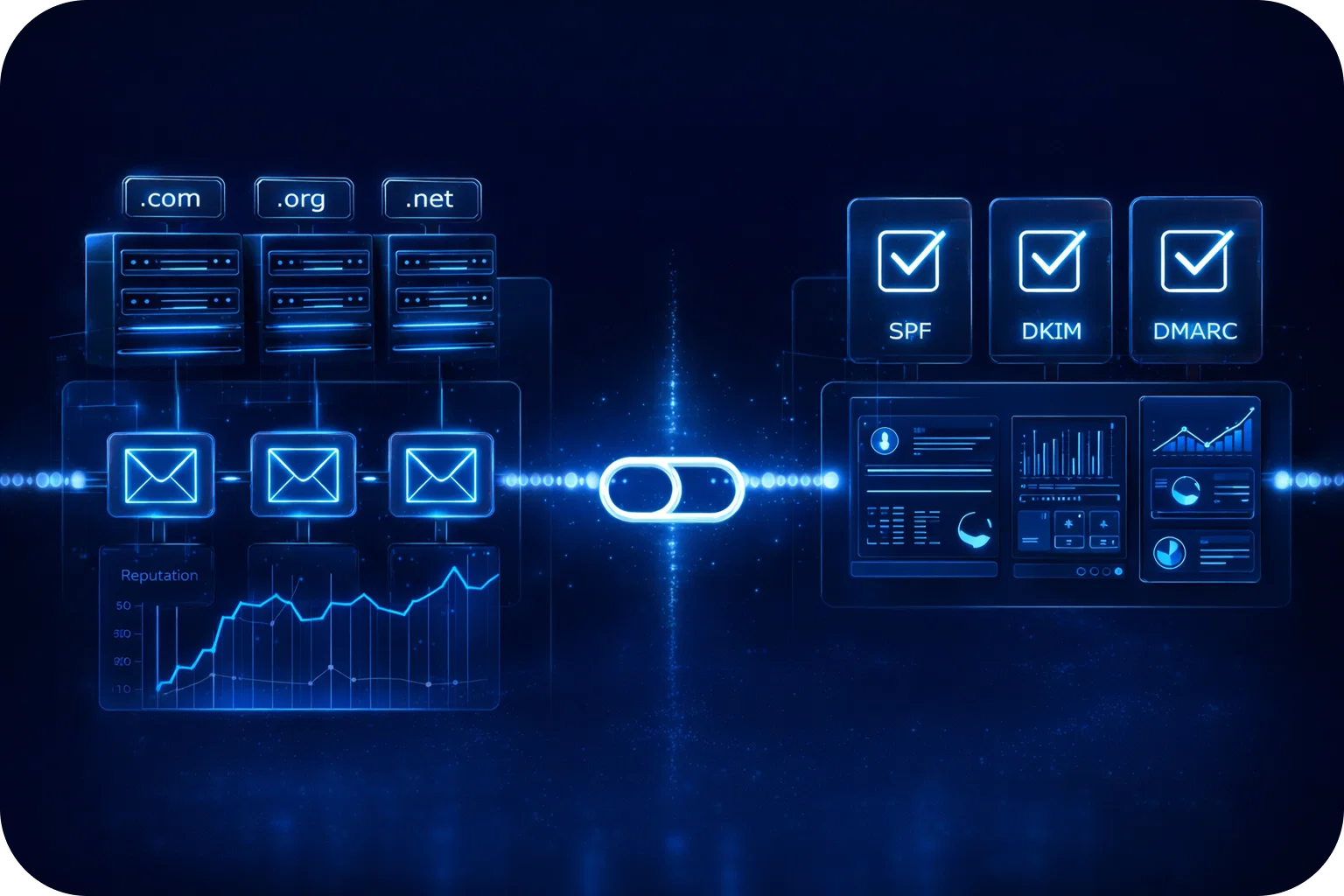
Over the past six years, the world of email outreach has been completely transformed. What once worked for startups and sales teams in 2020, high-volume blasts, generic messaging, and “spray-and-pray” tactics, has become ineffective and even damaging in 2026. Today, success in cold email outreach is defined by a mastery of deliverability, infrastructure, and sender reputation. This shift is not just about technology, but also about mindset and strategy. If you’re a founder or sales leader, understanding how these changes unfolded and what they mean for your team’s growth can make the difference between landing in the inbox or being lost in the spam folder.
The State of Email Outreach in 2020
In 2020, cold email was a numbers game. Startups and sales teams relied on mass-send tools, basic merge tags, and lists scraped from the web. The prevailing wisdom was simple: the more emails you sent, the greater your chances of booking meetings. Deliverability was rarely discussed, and most teams had little understanding of the technical underpinnings that determined whether their messages would reach the inbox.
Challenges abounded. Spam filters became more sophisticated, yet many teams continued to send from new domains with no warm-up, or used shared sending infrastructure with poor reputations. Sales reps often blasted out generic templates, leading to low engagement and high unsubscribe rates. The result? Declining open rates, frequent blacklisting, and a growing sense that cold email was “dying.”
At the same time, privacy regulations like GDPR and CCPA had just begun to impact outreach strategies. Many teams were unprepared for the new compliance landscape, and data privacy was often an afterthought. The tools available were siloed, manual, and focused on volume over quality. Most importantly, the buyer experience was rarely considered; prospects were inundated with irrelevant, impersonal emails.
Key Drivers of Change: 2020–2026
1. The Rise of AI and Automation
By 2026, artificial intelligence will have revolutionized every aspect of cold email. AI-powered SDR agents now handle prospect research, message personalization, follow-ups, and even real-time engagement. These tools don’t just automate tasks; they make outreach smarter and more human-like. Instead of relying on static templates, AI systems analyze prospect data, previous interactions, and industry trends to craft hyper-relevant messages.
Automation has also enabled sales teams to scale their outreach without sacrificing quality. Workflows that once required hours of manual effort are now seamlessly integrated, from list building to scheduling to analytics. The result is a more efficient, effective, and targeted approach to outbound sales.
2. Deliverability Takes Center Stage
Perhaps the most significant shift since 2020 is the elevation of deliverability from a technical afterthought to a strategic priority. As inbox providers like Google and Microsoft tightened their spam filters, the cost of poor deliverability became painfully clear. Teams that failed to monitor sender reputation, authenticate their domains, or manage sending volumes found their emails relegated to spam or blocked entirely.
In response, companies began investing in dedicated email infrastructure. This means using dedicated IP addresses, warming up new domains, and implementing robust DNS authentication (SPF, DKIM, DMARC). Tools like Mailpool.ai made it possible to automate these complex processes, reducing onboarding time and minimizing the risk of deliverability issues. Today, successful teams monitor inbox placement and sender reputation daily, using real-time dashboards and alerts to catch problems before they escalate.
3. Regulatory Shifts and Compliance
The regulatory environment for email outreach has grown more complex and demanding. GDPR and CCPA were only the beginning; new global privacy laws have raised the bar for consent, data storage, and user rights. In 2026, compliance is not optional, it’s a baseline requirement for any outreach strategy.
Modern platforms now embed compliance features directly into their workflows. Consent management, easy opt-outs, and secure data handling are integrated from the first touch. Teams are trained not just on how to send emails, but on how to respect privacy and build trust with prospects. The result is a more ethical, sustainable approach to outbound sales.
4. Evolving Buyer Expectations
The modern buyer is more sophisticated and discerning than ever before. In 2020, a simple mail merge with a first name might have been enough to stand out. By 2026, prospects expect every outreach to be relevant, personalized, and valuable from the very first message.
This shift is driven by the sheer volume of outreach that decision-makers now receive. To break through the noise, sales teams must go beyond surface-level personalization. They use advanced segmentation, intent data, and AI-driven insights to craft messages that speak directly to each prospect’s needs and context. The days of generic templates are over; success now depends on delivering real value in every interaction.
2026: The New Era of Email Outreach
Deliverability as the North Star
Deliverability is no longer just a technical metric; it’s the foundation of every successful cold email campaign. Teams that ignore deliverability risk waste time, resources, and opportunity. In 2026, best-in-class organizations treat deliverability as a continuous process:
- Proactive monitoring: Real-time dashboards track inbox placement, bounce rates, and blacklist status across all domains and inboxes.
- Automated alerts: Teams receive instant notifications if deliverability drops, allowing for rapid intervention.
- Root-cause analysis: Issues are diagnosed and resolved quickly, whether they stem from content, infrastructure, or reputation.
Platforms like Mailpool.ai have made these practices accessible, even for small teams. By automating deliverability checks and providing actionable insights, they empower sales teams to focus on what matters: building relationships and closing deals.
Infrastructure Advances
The technical foundation of email outreach has become a strategic differentiator. In 2026, high-performing teams leverage:
- Dedicated IPs and Custom Domains: By controlling their own sending infrastructure, teams protect their reputation and avoid the pitfalls of shared IPs.
- Automated DNS and Authentication: Tools now handle the setup of SPF, DKIM, and DMARC records, ensuring that every email is trusted by inbox providers.
- Seamless Integration: Modern platforms connect with outreach tools, CRM systems, and AI SDR agents, creating a unified workflow from start to finish.
- Rapid Onboarding: What once took days or weeks can now be accomplished in minutes, with guided setup and automated configuration.
The result is a scalable, secure, and reliable foundation for outbound sales, one that supports both volume and quality.
Reputation Management Strategies
Sender reputation has emerged as a critical asset for sales teams. In 2026, reputation management is an ongoing discipline:
- Continuous Monitoring: Teams track sender reputation metrics in real time, watching for signs of trouble such as rising bounce rates or increased spam complaints.
- Structured Warm-up Protocols: New domains and inboxes are gradually ramped up, building trust with ISPs before full-scale campaigns begin.
- Engagement Optimization: Outreach is designed to generate positive signals, opens, replies, forwards that strengthen sender reputation.
- Blacklist Prevention: Automated checks ensure that no domain or IP is listed on public blacklists, and remediation steps are taken immediately if a problem arises.
By making reputation management part of their daily workflow, teams protect their ability to reach the inbox and maximize their ROI.
Data-Driven Personalization and Segmentation
Personalization in 2026 goes far beyond “Hi [First Name].” Today’s sales teams use data to deliver highly relevant messages at scale:
- Advanced Segmentation: Prospects are grouped by industry, role, company size, and intent signals, allowing for tailored messaging.
- AI-Powered Personalization: Machine learning algorithms analyze prospect behavior, company news, and previous interactions to craft messages that resonate.
- Dynamic Content: Emails adapt in real time based on recipient engagement, ensuring that follow-ups are always contextually relevant.
This approach not only improves response rates but also builds trust and credibility with prospects.
Compliance and Security
With privacy regulations tightening, compliance is now a core component of every outreach campaign:
- Consent Management: Teams obtain and track explicit consent for every contact.
- Easy Opt-Outs: Recipients can unsubscribe with a single click, and requests are honored immediately.
- Secure Data Handling: Sensitive information is encrypted and stored in compliance with global standards like GDPR, CCPA, and SOC2.
- Audit Trails: Every action is logged, creating a transparent record for compliance reviews.
By prioritizing compliance, teams build long-term relationships and avoid costly penalties.
Best Practices for Modern Cold Email Outreach
- Warm-Up Protocols: Always warm up new domains and inboxes for three to four weeks before launching full-scale campaigns. This gradual approach builds credibility and reduces the risk of being flagged as spam.
- Monitor Deliverability: Use deliverability dashboards and automated alerts to catch issues before they impact your results. Monitor inbox placement, bounce rates, and blacklist status daily.
- Prioritize Engagement: Focus on quality over quantity. Engaged prospects, those who open, reply, or forward your emails drive better inbox placement and higher conversion rates.
- Stay Compliant: Make consent, opt-out, and data privacy core to your process. Train your team on the latest regulations and embed compliance into every workflow.
- Leverage AI Tools: Integrate AI SDR agents and outreach automation to scale your efforts without sacrificing personalization. Use machine learning to analyze data and optimize your messaging.
- Invest in Infrastructure: Dedicated IPs, custom domains, and automated DNS setup are must-haves for any serious outbound program. Don’t rely on shared infrastructure if you’re sending at scale.
- Continuous Learning: Stay up to date with industry trends, new technologies, and evolving best practices. The landscape is always changing, adaptation is key.
Future-Proofing Your Outreach Strategy
The only constant in email outreach is change. To stay ahead, startups and sales teams must:
- Continuously test and optimize: Experiment with new strategies, messaging, and technologies. Use A/B testing to identify what works and iterate quickly.
- Invest in scalable, secure infrastructure: Choose platforms that can grow with your team and adapt to new requirements.
- Embrace automation without sacrificing personalization: Use technology to streamline workflows, but always strive for authentic, human connections.
- Monitor industry trends: Stay informed about regulatory changes, new tools, and emerging best practices. Join communities, attend webinars, and learn from your peers.
- Build a culture of compliance and trust: Make ethical outreach and data privacy part of your team’s DNA.
Conclusion
The evolution of email outreach from 2020 to 2026 is a story of transformation, from volume-based tactics to a strategic, data-driven approach where deliverability, infrastructure, and reputation are paramount. Teams that embrace these changes not only see better results but also future-proof their growth engine for years to come.
If you’re ready to elevate your outreach and achieve industry-leading deliverability, it’s time to modernize your stack. Platforms like Mailpool.ai empower startups and sales teams to automate the technical heavy lifting, monitor deliverability in real time, and build campaigns that land in the inbox every time.
Ready to see how modern infrastructure and deliverability expertise can transform your cold email results?
Book a demo with Mailpool.ai today and unlock the future of email outreach.
More articles



Get started now


