
Is Your Cold Email Copy Hurting Deliverability? Subtle Mistakes to Avoid
%201.png)
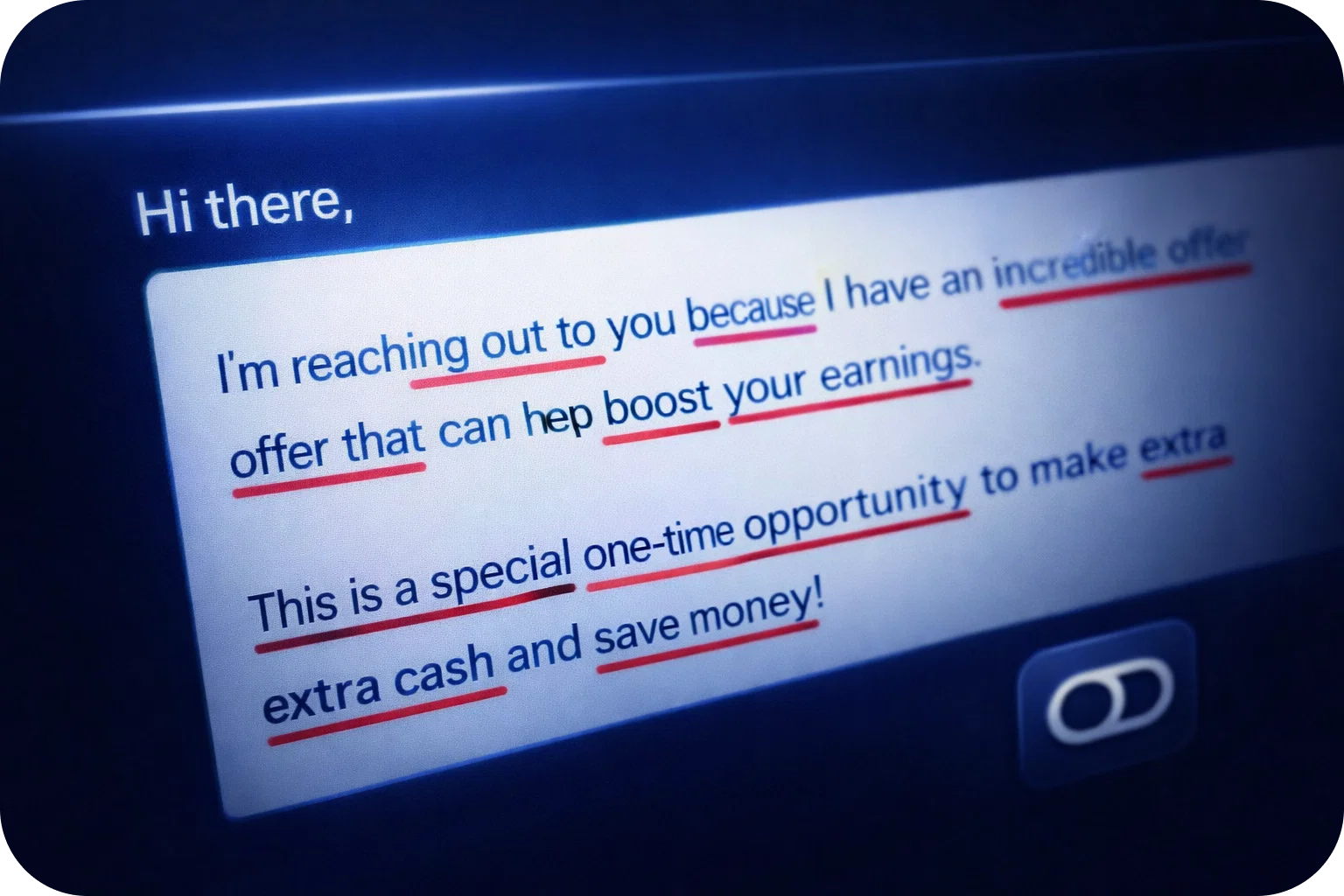
Cold email is a cornerstone of outbound sales and growth for startups and sales teams. But what if the very words you choose are quietly sabotaging your results? While most teams obsess over technical setup, DKIM, SPF, custom domains, warming up inboxes, few realize just how much their copywriting impacts deliverability. Subtle mistakes in your cold email copy can mean the difference between landing in the inbox, the spam folder, or being ignored entirely.
In this guide, we’ll break down how your email writing affects deliverability, the most common copywriting mistakes to avoid, and actionable best practices to boost your inbox placement, engagement, and replies.
Understanding Deliverability: More Than Just Tech Settings
What is Deliverability? Deliverability is the ability of your emails to reach the recipient’s inbox, not their spam or promotions tab. While technical factors like DNS records, sender reputation, and IP warming are critical, mailbox providers increasingly use engagement signals, opens, replies, and even how long a user reads your email, to decide if you’re a trustworthy sender.
Copywriting’s Hidden Role: Your copy directly influences engagement. If your message looks like spam, uses trigger words, or feels generic, users won’t engage. Worse, they might delete or mark it as spam, hurting your sender reputation and future deliverability.
Subtle Copywriting Mistakes That Tank Deliverability
1. Spam Trigger Words & Phrases
Mailbox providers use algorithms to scan for words and patterns commonly associated with spam. Phrases like “Act now!”, “Risk-free”, “Buy direct”, or even “100% guaranteed” can trigger spam filters. Even overuse of exclamation points or ALL CAPS can raise red flags.
Tip: Use natural, conversational language. Avoid clichés and hype. Instead of “Exclusive offer just for you!”, try “Thought this might be relevant to your team.”
2. Overly Aggressive CTAs
It’s tempting to push for a meeting or demo right away, but aggressive calls-to-action (“Book a call now!”, “Don’t miss out!”) can feel spammy and reduce positive engagement. Recipients are more likely to ignore or delete emails that feel like hard sells.
Tip: Use softer CTAs that encourage a response or conversation. For example: “Would you be open to a quick chat next week?” or “Is this something your team is exploring?”
3. Personalization Pitfalls
Personalization is key to cold email success, but there’s a catch. Superficial personalization (just using a first name or company field) can feel automated and insincere. Worse, mistakes in mail merge fields (“Hi [FirstName],”) instantly signal automation, reducing trust and engagement.
Tip: Reference something specific to the recipient’s business or role. Even a single line about a recent product launch or company milestone shows you’ve done your homework.
4. Formatting Errors
Walls of text, excessive images, or too many links can all trigger spam filters and hurt readability. Emails that are hard to scan or look like promotional blasts are less likely to be read and more likely to be flagged.
Tip: Use short paragraphs, bullet points, and clear spacing. Limit links (ideally 1-2 per email) and keep images to a minimum, plain text often performs best.
5. Misleading Subject Lines
Subject lines that promise too much (“RE: Our call”—when you’ve never spoken) might boost opens in the short term, but they erode trust and can lead to spam complaints. Misleading tactics damage your sender reputation over time.
Tip: Be honest and clear. Use curiosity (“Quick question about your outreach goals”) or value (“Idea to boost your reply rates”) to earn opens ethically.
6. Ignoring Engagement Signals
Mailbox providers track how recipients interact with your email. Low open rates, no replies, or high delete rates are all negative signals. If your copy doesn’t encourage engagement, whether that’s a reply, a click, or even just reading for a few seconds, your future emails are more likely to be filtered out.
Tip: Ask questions, invite feedback, and make it easy for recipients to respond. Even a simple “Does this sound relevant?” can increase engagement.
Best Practices for Cold Email Copywriting That Boost Deliverability
Write for Humans (and Algorithms)
Your primary audience is real people, but algorithms are watching too. Write in a way that feels authentic, helpful, and relevant. Avoid jargon and buzzwords. Keep your message focused on the recipient’s needs, not your features.
Less is More
Concise emails are easier to read and less likely to be flagged. Aim for 3-5 short paragraphs. Every sentence should serve a purpose; if it doesn’t add value, cut it.
Balance Value, Curiosity, and Clarity
The best cold emails quickly communicate value, spark curiosity, and make it clear what you’re asking. For example:
Subject: Quick idea for your sales team
Hi [Name],
I noticed your team has been scaling outbound efforts. We’ve helped similar companies increase reply rates by 30%—without changing their tools or process. Would you be interested in a short case study?
Best, [Your Name]
Use Real Examples: Good vs. Bad Cold Email Copy
Bad Example:
Subject: ACT NOW! Exclusive Offer Just For You!!!
Hi,
Buy our software today and get 100% guaranteed results. Don’t miss out on this risk-free opportunity!
Click here now!
Good Example:
Subject: Quick question about your outbound strategy
Hi [Name],
Saw your team is growing—congrats! I work with startups looking to improve deliverability and inbox placement. Would you be open to a brief chat about what’s working (and what isn’t) in your current process?
Best, [Your Name]
Personalization That Builds Trust
Go beyond first names. Mention something recent, like a new product launch, a funding round, or a relevant blog post. This shows genuine interest and increases the chance of a reply.
Test, Iterate, and Never Stop Learning
No two audiences are exactly alike. Test different subject lines, CTAs, and email lengths. Track open, reply, and bounce rates. Use the data to refine your approach and double down on what works.
How to Audit Your Cold Email Copy
Self-Review Checklist
- Does your subject line set honest expectations?
- Are you using natural, conversational language?
- Is your CTA clear but not pushy?
- Have you avoided spam trigger words and formatting mistakes?
- Is your personalization specific and relevant?
- Does your email make it easy to reply?
Tools to Test for Spam Triggers and Deliverability Risk
- Mail-Tester.com: Paste your email to see if it triggers spam filters.
- GlockApps: Test deliverability and inbox placement.
- Mailpool.ai: Manage deliverability, warm up inboxes, and monitor engagement metrics automatically.
When to Rewrite vs. When to Tweak
If your emails consistently land in spam or get low engagement, it’s time for a rewrite. If you’re seeing some success but want to improve, tweak one element at a time, subject line, CTA, or personalization and measure the results.
Final Thoughts
Great cold email copy is as much about deliverability as it is about persuasion. By avoiding subtle copywriting mistakes and following best practices, you’ll not only reach more inboxes but also drive higher engagement and more replies.
Remember: Every word you write is a signal to both humans and algorithms. Make them count.
More articles


Get started now


