
How to Use Behavioral Triggers for Timely Cold Emails

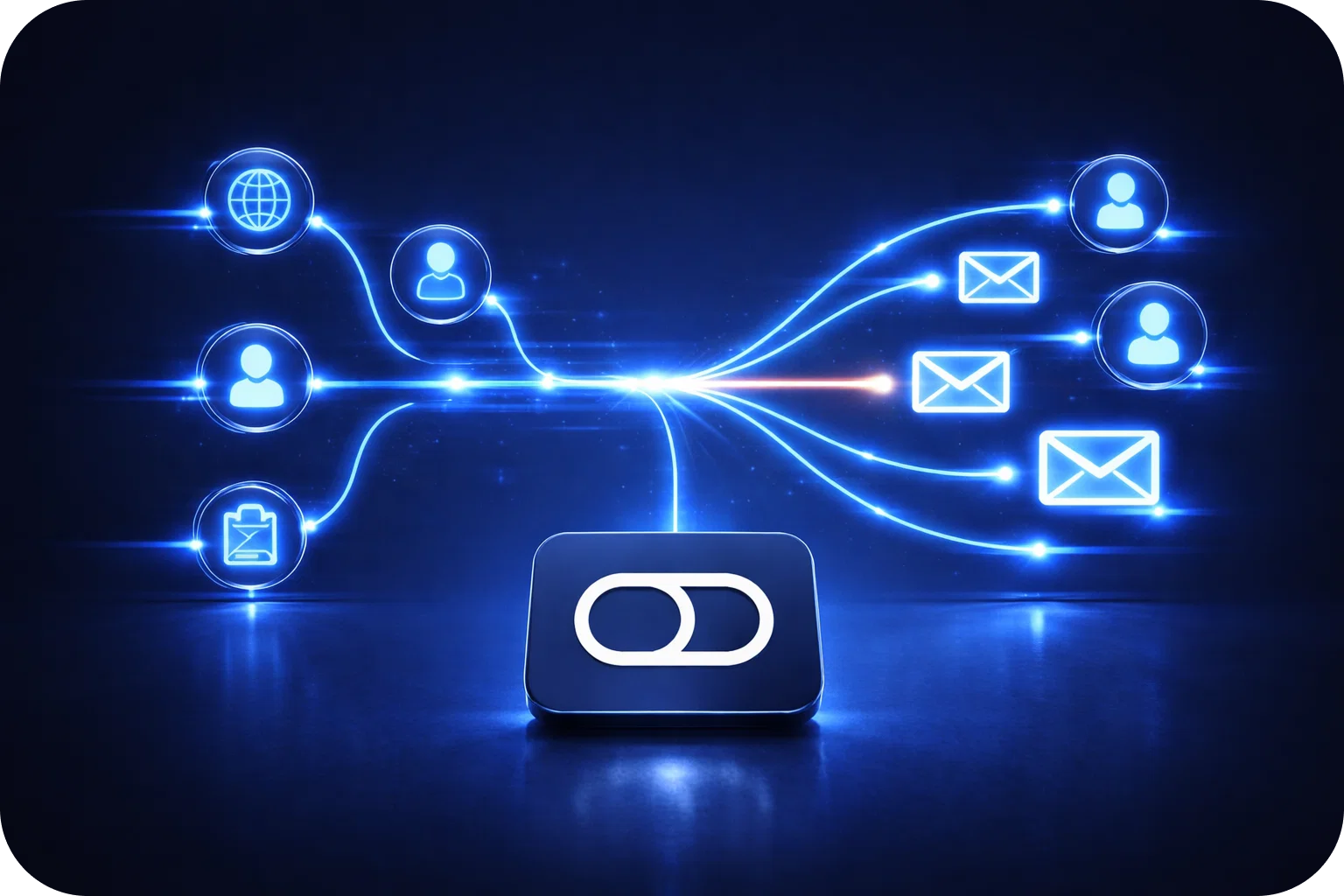
Timing is everything in cold email outreach. For startups and sales teams, sending an email at the right moment can mean the difference between a reply and being ignored. But how do you know when your prospects are most likely to engage? That’s where behavioral triggers come in.
Behavioral triggers use real-time prospect actions, like clicking a link or visiting your pricing page to automatically send follow-up emails when interest is highest. This approach increases your relevance, boosts engagement, and dramatically improves reply rates. In this guide, we’ll break down exactly how to leverage behavioral triggers for smarter, more effective cold email campaigns.
What Are Behavioral Triggers?
Behavioral triggers are automated actions in your outreach process, set off by specific prospect behaviors. Instead of relying on static schedules or arbitrary send times, behavioral triggers respond to real-time signals that indicate interest or intent.
Common behavioral triggers include:
- Clicking a link in your email
- Visiting a specific page on your website (e.g., pricing, demo, case studies)
- Downloading a resource or signing up for a webinar
- Opening an email multiple times
- Engaging with your brand on social media
When a prospect takes one of these actions, your system can automatically send a tailored follow-up email or move them to the next step in your sequence. This approach makes your outreach feel timely and personalized, two factors that dramatically increase your chances of getting a response.
Why Timing Matters in Cold Email Outreach
Most cold emails fail not because of poor copy, but because they arrive at the wrong time. Your prospects are busy, and their interest in your offer fluctuates. Sending emails based on behavioral triggers ensures your message lands when the prospect is most receptive.
Key benefits of timing your emails with behavioral triggers:
- Relevance: Your follow-ups are tied to actions the prospect just took, making your outreach feel less like spam and more like a helpful nudge.
- Engagement: Timely emails are more likely to be opened and read.
- Reply Rates: Prospects are more likely to respond when your message aligns with their current interests or needs.
For startups and sales teams, this means more booked meetings, faster sales cycles, and higher ROI from your outreach efforts.
The Science of Email Timing
Data-Driven Insights
Research consistently shows that timing has a significant impact on email open and reply rates. For example:
- Emails sent within an hour of a prospect’s website visit have up to a 60% higher reply rate.
- Follow-ups triggered by link clicks see open rates 2–3x higher than generic drip campaigns.
- Multiple opens or forwards often correlate with buying intent, these are perfect moments for a personalized outreach.
Behavioral Triggers vs. Static Schedules
Traditional email sequences rely on fixed intervals (“send follow-up 3 days after first email”). While this is better than nothing, it doesn’t account for individual prospect behavior. Behavioral triggers, on the other hand, react to real-time actions, making your outreach much more dynamic and effective.
Setting Up Behavioral Triggers in Your Cold Email Stack
Choosing the Right Tools
To leverage behavioral triggers, you’ll need an outreach platform that supports event-based automation. Many modern tools, including Mailpool.ai offer integrations with CRMs, website analytics, and third-party apps to capture prospect actions.
Key features to look for:
- Real-time tracking of email opens, clicks, and website visits
- Integration with your CRM or sales engagement tools
- Flexible automation workflows (trigger-based sequences)
- Personalization and dynamic content
Mapping Prospect Actions to Email Sequences
Start by identifying the key actions that signal interest or intent. For most B2B startups and sales teams, these include:
- Viewing your pricing or demo pages
- Downloading a whitepaper or case study
- Registering for a webinar or event
- Clicking “Book a demo” in your outreach email
Once you’ve mapped these actions, set up triggers in your outreach tool to automatically send the next email in your sequence. For example:
- Trigger: Prospect visits the pricing page
Action: Send a follow-up email offering a demo or answering common pricing questions. - Trigger: Prospect clicks a link in your intro email
Action: Send a case study relevant to their industry.
Integrating With Other Platforms
Many startups use a mix of tools for outreach, CRM, and analytics. Ensure your chosen email platform integrates seamlessly with your tech stack. This enables smooth data flow and ensures your triggers fire accurately.
Tip: Use UTM parameters and tracking pixels to capture detailed engagement data, which can inform your triggers and help you refine your strategy over time.
Best Practices for Using Behavioral Triggers
1. Segment Your Audience
Not all prospects are the same. Segment your list based on industry, role, company size, or previous engagement. This allows you to tailor your triggers and follow-ups for maximum relevance.
2. Personalize Based on Behavior
Go beyond “Hi [First Name].” Reference the specific action the prospect took:
- “I noticed you checked out our pricing page…”
- “Saw that you downloaded our latest whitepaper—would you like a quick demo?”
Personalization increases reply rates and helps build trust with your prospects.
3. Avoid Over-Automation
While automation is powerful, too many automated emails can feel robotic or spammy. Make sure your messages add value and don’t overwhelm the recipient.
Best practice:
Limit your triggered emails to 1–2 per key action, and always provide an option to opt out or schedule a call.
4. Test and Optimize
Regularly review your data to see which triggers drive the best results. A/B test different subject lines, send times, and content to continuously improve your outreach.
5. Stay Compliant
Always respect privacy regulations (like GDPR and CCPA) and ensure your emails include clear opt-out options. Use tools that help you manage compliance automatically.
Measuring Success
To ensure your behavioral trigger strategy is working, track key metrics:
- Open Rates: Are your triggered emails being opened more than your scheduled ones?
- Reply Rates: Are prospects responding at higher rates?
- Conversion Rates: Are more prospects booking demos or moving to the next stage?
- Time to Response: Are you reducing the time between first contact and reply?
- Unsubscribe Rates: Are you maintaining compliance and not overwhelming your audience?
A/B Testing
Test different triggers, timing, and messaging to see what resonates with your audience. For example, try sending a follow-up immediately after a pricing page visit versus waiting an hour. Use the results to refine your approach.
Continuous Improvement
Behavioral triggers aren’t set-and-forget. Regularly review your data, experiment with new triggers, and stay updated on best practices. This ensures your outreach stays relevant and effective as your audience and market evolve.
Conclusion
Behavioral triggers are a game-changer for startups and sales teams looking to improve cold email performance. By responding to real-time prospect actions, you can send more relevant, timely, and engaging emails that drive higher reply and conversion rates.
Ready to see how behavioral triggers can transform your cold email outreach?
Book a demo with Mailpool.ai and discover how our platform can help you automate timely follow-ups, boost engagement, and grow your pipeline faster than ever.
More articles



Get started now


