
Deliverability Lessons from 1 Million Cold Emails Sent in 2025
%201.png)
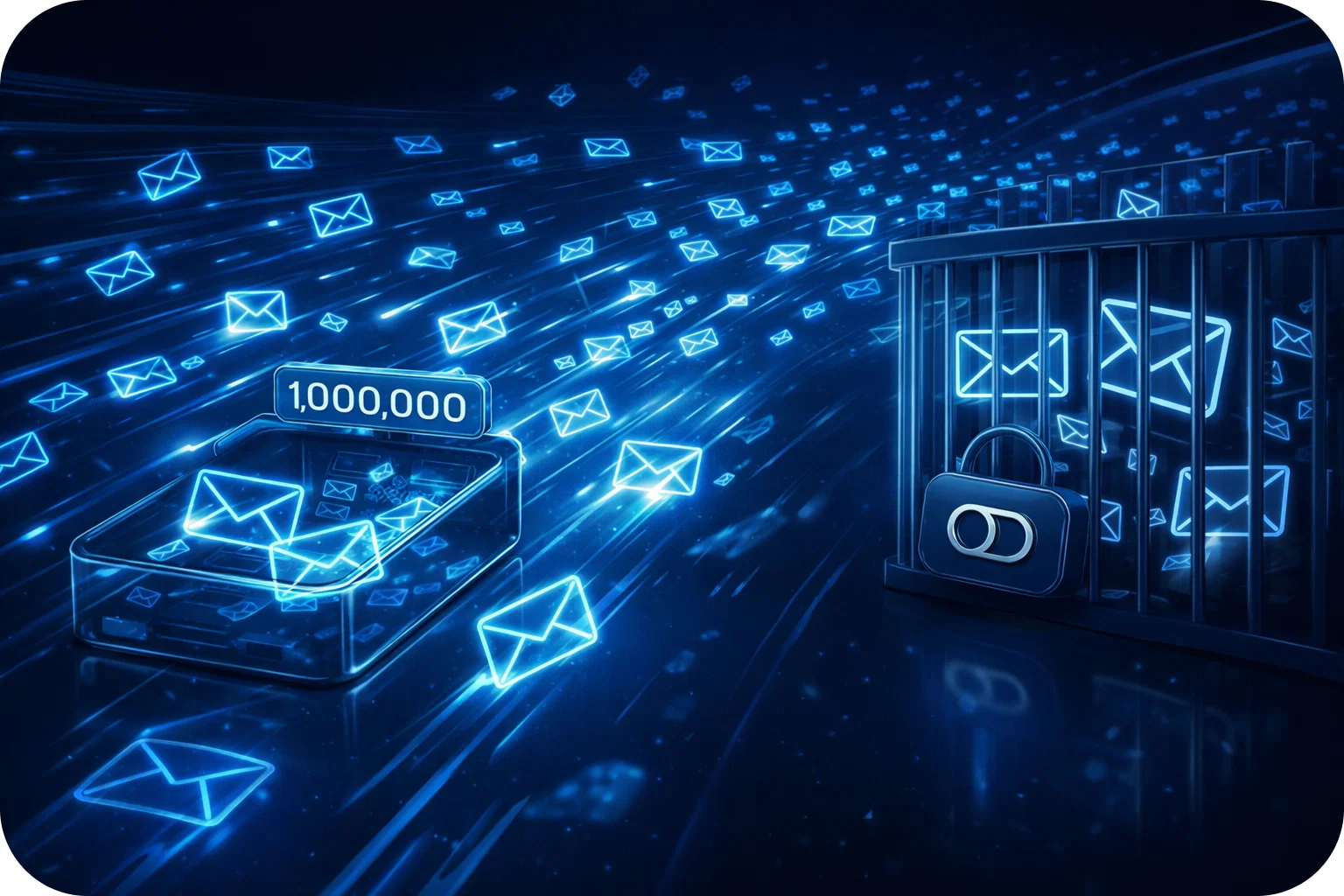
In 2025, cold email became both more powerful and more challenging than ever before. As inbox providers rolled out smarter algorithms and businesses flooded prospects with outreach, the difference between landing in the inbox or the spam folder often came down to subtle details and disciplined execution. At Mailpool, we analyzed over 1 million cold emails sent by startups and sales teams across the globe. Our goal? To uncover what really moves the needle on deliverability, sender reputation, and reply rates.
This guide shares the most important lessons from that massive dataset. Whether you’re a founder looking to scale outbound, a sales leader optimizing your team’s pipeline, or a marketer aiming for better engagement, these insights will help you maximize results, protect your domains, and build a predictable growth engine through cold email.
Inbox Placement: The Real Numbers
Before you can get replies, your emails have to reach the inbox. In our analysis, the average inbox placement rate for Mailpool customers ranged from 96% to 98% but only for those who followed best practices. Gmail and Outlook led the way, while Yahoo and other providers trailed slightly but remained strong for well-configured domains.
What Drives Inbox vs. Spam?
1. DNS Configuration:
Proper SPF, DKIM, and DMARC setup was non-negotiable. Domains missing these critical records saw deliverability drop by as much as 30%. For many, fixing DNS was the fastest way to boost inbox placement.
2. Warm-Up:
Gradually ramping up sending volume over 3–4 weeks dramatically improved placement. Sudden spikes almost always trigger spam filters, especially on new domains.
3. Consistent Sending:
Maintaining steady daily volumes (rather than erratic surges) kept domains in good standing. Accounts that sent 20–50 emails per inbox per day, then scaled up, saw the best results.
4. Engagement:
High open, click, and reply rates sent strong positive signals to inbox providers. Conversely, low engagement or high bounce rates quickly hurt reputation.
Key Stat:
Domains following all best practices enjoyed up to 98% inbox placement. Those neglecting warm-up or DNS setup often end up in spam or are blacklisted.
Sender Reputation: Building & Protecting Your Domain
Sender reputation is a long-term investment. Our data showed that domains with clean histories and strong engagement consistently outperformed those with even minor issues.
How to Build Reputation
- Start Slow: Begin with low volumes (20 emails/inbox/day), then gradually increase.
- Monitor Blacklists: Use tools to check if your domain or IP appears on any public blacklists.
- Prioritize Engagement: Focus on sending to high-quality, relevant lists. Engagement trumps volume every time.
- Authenticate Everything: Ensure SPF, DKIM, and DMARC are set up for every sending domain.
Common Pitfalls
- Using brand-new domains without proper warm-up
- Ignoring bounce or complaint rates
- Reusing domains/IPs that have a history of spam activity
Best Practice
Rotate domains and IPs, especially if you’re sending at scale. Mailpool customers managing 5–10 domains per account saw more consistent results and less risk of burning any single domain.
Tactics for Consistent Deliverability
Deliverability isn’t just about technical setup, it’s about ongoing habits and discipline.
Email Volume & Frequency
Stick to recommended limits:
- Max 15-20 emails per day per inbox
- Avoid sending in bursts or at irregular intervals
List Hygiene
Clean your lists regularly. Remove unengaged recipients and invalid addresses. Purchased or scraped lists almost always lead to high bounce rates and complaints, don’t use them.
Segmentation
Tailor your outreach to specific segments. Personalized emails to well-defined audiences consistently outperformed mass blasts.
Content Matters
Avoid spammy language, all-caps, and excessive links. Personalized, relevant content performed best. A/B test subject lines and message copy to see what lands in inboxes most reliably.
Testing & Monitoring
Use seed lists and inbox placement tools to test before scaling. Monitor open, click, and bounce rates, and adjust quickly if you spot issues.
Pro Tip:
Half of our users achieved full implementation in under 10 minutes, but 50% still needed hands-on onboarding, especially when scaling to enterprise-level volumes.
Growing Replies: What Actually Works
Getting into the inbox is only half the battle. The real measure of cold email success is reply rate.
Personalization
Even small tweaks, like using the recipient’s first name or referencing a recent event, boosted replies. Generic, templated messages performed poorly.
Subject Lines
Short, curiosity-driven subject lines outperformed generic ones by 20%. Questions, numbers, and personalization helped cut through the noise.
Follow-Up Sequences
Multi-touch sequences (3–5 emails over 2 weeks) doubled reply rates compared to single-touch campaigns. Persistence, when done respectfully, pays off.
Timing
Emails sent mid-week (Tuesday–Thursday) and mid-morning (9–11am recipient time) saw the highest engagement. Avoid Mondays (crowded inboxes) and Fridays (low attention).
Real Data
Teams using these tactics reported reply rates up to 15%, well above the industry average of 3–8%. Consistency and testing were key.
Lessons Learned: What to Avoid
From one million emails, the biggest mistakes were clear:
- Skipping Warm-Up: Domains that jumped straight to high volume often ended up on blacklists.
- Neglecting DNS: Missing SPF/DKIM/DMARC was a dealbreaker for inbox placement.
- Sending to Cold Lists: Unverified, purchased lists led to high bounce and complaint rates.
- Spammy Content: Overuse of salesy language, exclamation marks, or misleading subject lines triggered filters.
Myth Busting
- Myth: More emails = more replies.
Reality: Engagement, not volume, drives results. - Myth: Changing sending tools fixes deliverability.
Reality: Underlying domain and reputation issues persist across platforms.
Actionable Checklist for 2026
- Set Up Proper DNS (SPF, DKIM, DMARC) for Every Domain
- Warm Up New Domains & IPs Slowly (3–4 Weeks)
- Monitor Blacklists and Engagement Metrics Weekly
- Segment and Clean Your Lists Regularly
- Personalize Email Content and Subject Lines
- Follow Up with Multi-Touch Sequences
- Send at Consistent Volumes and Optimal Times
- Test and Iterate, Never Set and Forget
Conclusion
Deliverability isn’t a one-time fix; it’s an ongoing process that rewards careful setup, consistent habits, and a focus on quality engagement. By applying these lessons from 1 million cold emails, startups and sales teams can build sender reputations that stand the test of time, maximize reply rates, and turn cold outreach into a predictable growth engine.
Ready to take your deliverability to the next level? Start optimizing today or book a demo with Mailpool to see how we can help you scale.
More articles



Get started now


